The motives of a fortunate individual. That makes me think of one of the classes I least enjoy seeing at DnD tables: the bard. And the reason I don't love them is extremely trivial, because I'm simply not attracted to classes that are a bit weak in combat, since when they enter combat, their players fall short and feel ineffective.
Well, it's a minor detail, but that's why I don't love them. And well, considering that several of their class abilities focus on luck and that most of their attempts at seduction and deception will almost always go in their favor. They really should be considered extremely lucky.
The class can easily reach +10 in persuasion, interpretation, and deception. This can undoubtedly change many dangerous scenarios in a somewhat creative mind and avoid combat or lead to its conclusion without unnecessary bloodshed.
Similarly, it has the ability to repeat rolls, change bonuses between skills, and generally modify results by adding or subtracting dice rolls. So it can be said that the class is dedicated to building its own luck, and this happens because chance is reduced to a mere anecdote.
The Bard class is designed to be lucky or to change certain mechanical aspects of the game in your favor, although the same can be said of the abilities, talents, or spells available to players or creatures controlled by the D&D system, all of which have elements that can tip the scales in your favor. Although players, due to their numbers, can tip the balance more in their direction, which is perfectly fine.
The situation is not unique to DnD; destination points, advantages, and other rules appear in multiple simulation- and narrative-focused titles and are commonplace. The aim is to ensure that the player and the game in general are not left at the mercy of chance alone, or that everything ends up feeling too rigid or linear. It makes sense: at the end of the day, a role-playing game is a collective story, stories are lies, lies are unfair in nature, and therefore do not require respect for the supposed mechanistic justice provided by luck.
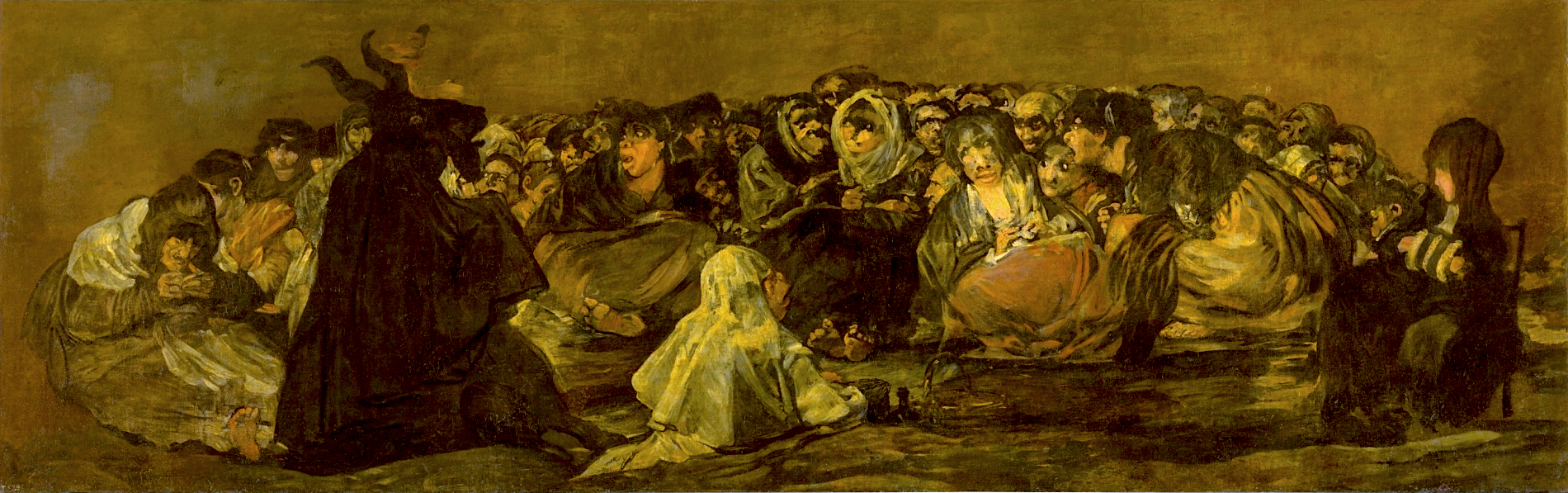
When the mischievous imps gather to dance around the fire, throwing their dice and moving their little plastic pieces. Luck ends up being grilled in the middle of the campfire. An understandable sacrifice, in the name of a significant deception know as storytelling.



No hay comentarios:
Publicar un comentario